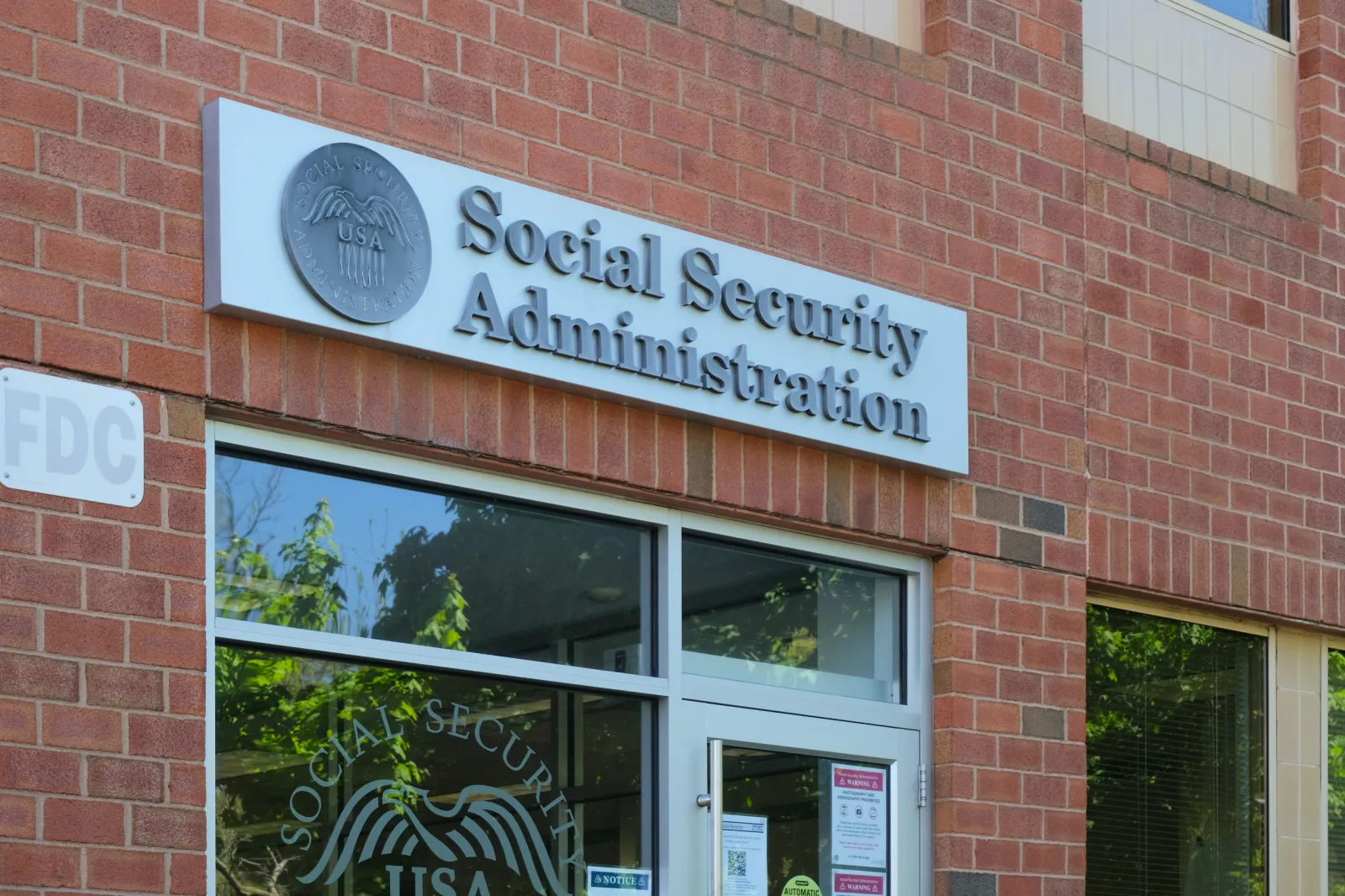
The Social Security Administration (SSA) is implementing a nationwide artificial intelligence (AI) system which it says is aimed at improving the efficiency and accuracy of hearing recordings and transcriptions.
The new Hearing Recording and Transcriptions (HeaRT) system is set to replace outdated hardware and is expected to be fully operational by March 17, the agency announced.
Newsweek has contacted the SSA for comment via email.
Why It Matters
The HeaRT system is part of a broader effort by the SSA to modernize its operations. The AI-powered software will work across all hearing formats, including in-person, telephone, and video hearings. This upgrade eliminates the need for bulky recording hardware and minimizes disruptions caused by technical failures, a press release asserted.
By reducing reliance on manual transcription and hardware maintenance, the SSA projects annual savings of about $5 million. The agency also anticipates that the improved system will help alleviate backlogs and allow administrative staff to focus on other critical tasks.
What to Know
The HeaRT system is designed to enhance efficiency and accuracy in the hearings process for Social Security applicants.
By replacing legacy hardware with a software-based solution, the SSA expects to reduce delays, cut costs and improve service for approximately 500,000 customers.
The system utilizes AI-powered transcription technology to produce more accurate records, ensuring due process and streamlining case reviews, according to the SSA.
What People Are Saying
Professor Daniel Ho, who serves on the National Artificial Intelligence Advisory Committee told Newsweek: "Our benefits systems need to be modernized and AI can play an important role given the challenges of backlogs, inconsistencies, and delays to serve claimants more effectively.
"But we must also do so mindfully, evaluating the potential for harms and errors. Automated transcription systems, for instance, can still hallucinate, and evaluation and human review will be important safeguards."
Acting Commissioner of Social Security Lee Dudek in a statement: "By eliminating outdated systems and replacing them with innovative software that is proven to work, we are improving our services for Americans and saving millions each year.
"Good government means finding ways to do better, and implementing the HeaRT system nationwide is a clear demonstration of just that."
What Happens Next
The nationwide rollout of the new system is expected to be completed by March 17, the SSA said.
As the SSA continues its modernization efforts, questions remain about the broader role of AI in government services and whether similar upgrades could be applied to other areas of the Social Security system to enhance efficiency and service delivery.